News
In the Spotlight: Oludunsin Arodudu
The topic of your research project is “Sustainability assessment of agro-bioenergy land use”. You’ve been working on it for about two years now – how is your work progressing? What do you plan to do/cover over the next 6 months?
Thank you very much. Work has been progressing somewhat fine, little hiccups here and there, but overall my progress on the work has been fairly good I would say. Over the next six months, I would be focusing on the concluding parts of my life cycle assessment indicator analysis and writing paper publications from them.
Why did this exact topic interest you?
My interest in this topic was fueled by two things. First, the close-end discussions on the futures of agricultural bioenergy, when in actual fact, it might be one of the most viable situations for energy poor communities around the world. This has inspired my assessment of the sustainability of agricultural bioenergy considering the impacts of locally and regionally relevant agronomic factors such as farm power types (tractor/man/animals); tillage methods (conventional/conservation/no-till); fertilizer sources (synthetic/animal manure/biogas digestates); irrigation techniques (rain-fed/surface/sprinkler/drip); seed-sowing options (native/GMO-genetically modified/hybrid seeds) etc.
Second is the need for sustainability assessment paradigms that do not only promote scaling from simple to complex in search of better understanding and solutions, but also finds ways of communicating solutions obtained from complex systems in ways simple enough for stakeholders to follow. This facilitated my exploration of relevant land use assessment frameworks like ecosystem services (ESS) and land use functions (LUF) frameworks; as well as relevant life cycle assessment (LCA) frameworks e.g.energy return on energy invested (EROEI), human appropriation of net primary production (HANPP), resource footprint (RF), greenhouse gas (GHG) balance frameworks etc. Also, methodological pathways for combining them was also researched into, so that no elements of sustainability (space, time, stakeholder and impact) and/or corresponding sustainability question (where, when, who and what) is left out within the context of assessing the sustainability of the agro-bioenergy land use as a whole.

What would you like to do after the CASTLE project has finished?
I will like to sum this up in four keywords namely research, training, consultancy and advocacy. I would like to continue researching for a long while because I realized in the course of this project that it fits well with me naturally. However, I wouldn’t also mind to be a trainer or teacher at a research institute or University if the opportunity arises. This is because in the course of the CASTLE project and in doing my PhD, I have had to give some training classes and also teach at my University (University of Potsdam, Germany), which also fits well with me. Consulting for private businesses and public agencies on issues related to land use and energy would also not be out of the way, considering my growing expertise in these endeavours. I will also want to contribute my quota to the growth of the bioenergy sector and environmental policy making, back in my Country (Nigeria), my continent of origin (Africa) and developing countries as a whole. This I intend to do through participation in advocacy programmes either as a member of an international organization of any dimension or a non-governmental organization.
What are your thoughts on the CASTLE project so far, and the training courses in particular?
Before CASTLE, I had always wanted a programme that will give me lots of exposure to practical experiences within the environmental policy making sector globally, and for me CASTLE was it!
The experiences so far has been immense, massive and unquantifiable. I couldn’t have imagined being anywhere else. Each new training has offered me loads and diversities of knowledge, insights, possibilities and experiences. Although the planning for the trainings (being new to most of the partners) came with few organizational itches here and there as expected, but overall, considering the set up, structure, arrangements and the individual strengths of the partners (across the five to seven EU Countries involved) that we all (14 CASTLE fellows) are leveraging on, it has been second to none I must state categorically. Thanks to the organizers for having me on this amazing consortium.
In the Spotlight: Amber Li
The topic of your research project is “Footprint Indicators in Sustainability Communication”. You’ve been working on it for some time now – how is your work progressing? What do you plan to do over the next 6 months?
The project sounds really ambitious with that title. The first thing I had to do was to narrow down my focus and formulate a practical research plan under the help of my supervisors from VTT Technical Research Center of Finland and my professor from the University of Helsinki. The objective of my project is about Life Cycle Impact Assessment (LCIA) methodology development for forest-related land use issues. It is an interdisciplinary project that aims to integrate Life Cycle Assessment (LCA) framework with the forest sector and its related land use impacts on ecosystem services, while I only have knowledge and experience of sustainability assessment.
The first phase was not to study about forestry, but to conduct literature review for knowing the state-of-the-art of land use impact assessment in LCA, finding the knowledge gaps, and thinking over a practical plan to progress. The cause-effect chains between land use and forest ecosystem is complicated and they interact with each other. The usage of land for forest will have impacts on climate change, biodiversity and natural resource depletion. My project will mainly focus on natural resource depletion and climate change aspects.
The second phase was developing a LCIA method and indicators for addressing impacts on natural resource depletion. The human appropriation of net primary production (HANPP) approach was picked to illustrate how forest practice would induce bioproductive land depletion. Finnish forest inventory data, Finnish meteorological data and vegetation model were used. To learn more about HANPP, I did my secondment at the Institute of Social Ecology, Klagenfurt University, in Vienna. The calculation still needs final revision.
For the next 6 months, I will write a paper about the results and outputs from the second phase. Then I will start working on the climate change aspect, modifying a LCIA method for assessing land use impact on climate change.
Why did this exact topic interest you?
The topic is composed of two parts: sustainability assessment and forest management. LCA is the most operational technique I think for sustainability assessment and sustainability communication. However LCA was initially designed for industrial processes, and land use and biosphere were only roughly mentioned there. As a person who decided to become a LCA specialist, I am interested in broadening the application of LCA.
On the other hand, bioeconomy is a hot spot today, now that whole societies are shifting from fossil fuels to biomass. But I am a little bit worried about the boom in biomass-related industry, considering the intensive land use that corresponds to it. Land is the foundation of human society, which not only has the provision function for material and energy resources, but also has the regulating capacity of ecosystem services and provides space for human activities. Additionally, along with the on-going world population growth trend and increasing consumption of raw materials, the earth’s biologically productive land will become a scarce resource. So how to use land efficiently and sustainably is really an interesting topic to study.
What would you like to do after the CASTLE project has finished?
Since my CASTLE project will come out with a new LCIA method, I would like to work as a consultant to help companies or other entities in improving their sustainability performance, particularly in the biomass sector. Working for the environmental management department of a company can also be a choice, so that I can examine how the method will work in real cases. After several years of working in the industry, maybe I will come back to the research field again.
What are your thoughts on the CASTLE project so far, and the training courses in particular?
I appreciate the chance to be part of the CASTLE project. It is such a unique PhD program with an innovative connection between research and market needs. Each of us (ESRs) was employed by a company but we enrolled as doctoral students at the same time, so that our projects were initially designed under real needs and with sound scientific support.
There are nine CASTLE trainings altogether, elaborated with diverse content and good practical arrangements. Additionally, during each training, we also have the occasion for the “ CASTLE family”(the 14 of us) to get together to update each other on our progress and to share ideas. Thanks to all those who work hard for organizing all of the trainings for us.
In the Spotlight: Philipp Sommerhuber
The topic of your research project is Life Cycle Assessment of Wood-Plastic Composites. You’ve been working on it for some months now – how is your work progressing? What do you plan to do/cover over the next 6 months?
The research project and its title are quite broad, so I needed to specify research packages together with my supervisors at the Thünen Institute of Wood Research and University of Hamburg. This took a while but now I have a good structure for doing my PhD.
I would like to give you some background information for a better understanding of my research topic. In Germany and Europe, the predominant resources for Wood-Plastic Composites (WPC) are soft wood particles (spruce and pine) which are compounded with thermoplastics and additives in various contents. The downstream manufacturing processes of WPC after compounding are very heterogeneous. Extrusion and injection moulding are the two dominant production techniques for outdoor deckings, car door panels, and other consumer products. In Europe, the WPC market is prospected to further increase while the availability of soft wood will decrease what will lead to a rising price for wood particles. There exists also a strong competing demand for waste wood as a resource for thermal energy due to the Renewable Energy Directive (2009/28/EC) and material utilization in, for example, particle boards. On the other side, thermoplastics derived from fossil-based resources cause severe environmental impacts. Those competing issues make WPC very interesting from ecological and economic points of view alongside with the promotion of the European Bio economy. Therefore, the focus of my project is on the economic, technical, environmental, and social assessment of cascade use potentials of secondary resources for WPC.
So, I started with a literature review on how and which kind of WPC have been environmentally assessed up to now. The article is in the internal review process and will be soon submitted to a peer-reviewed journal. Meanwhile, I was preparing the experimental part of the research project. I set up contacts with local and regional recycling companies to be able to compare the mechanical and physical properties of WPC made from recycled wood and plastic particles to WPC made from virgin resources.
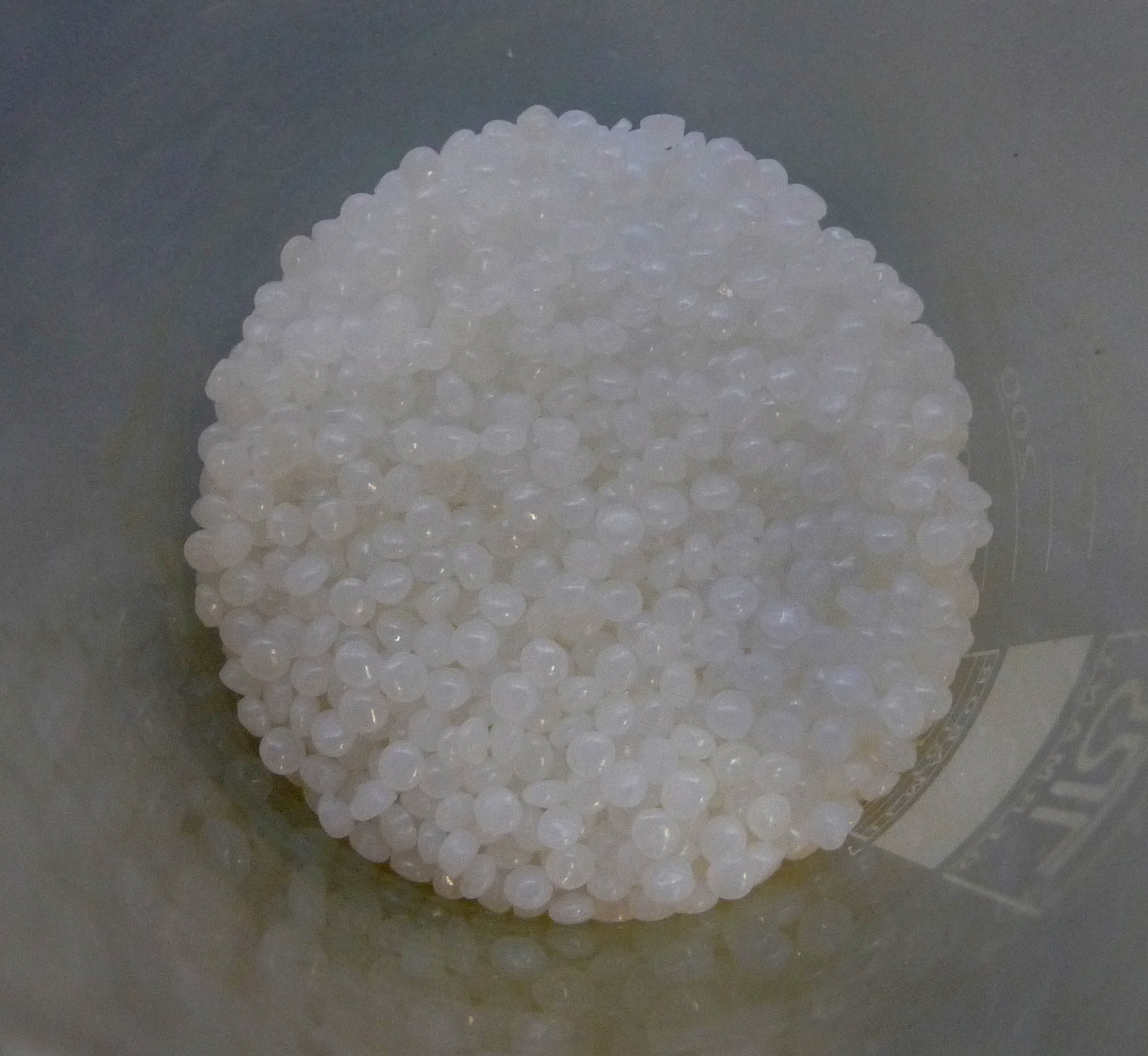
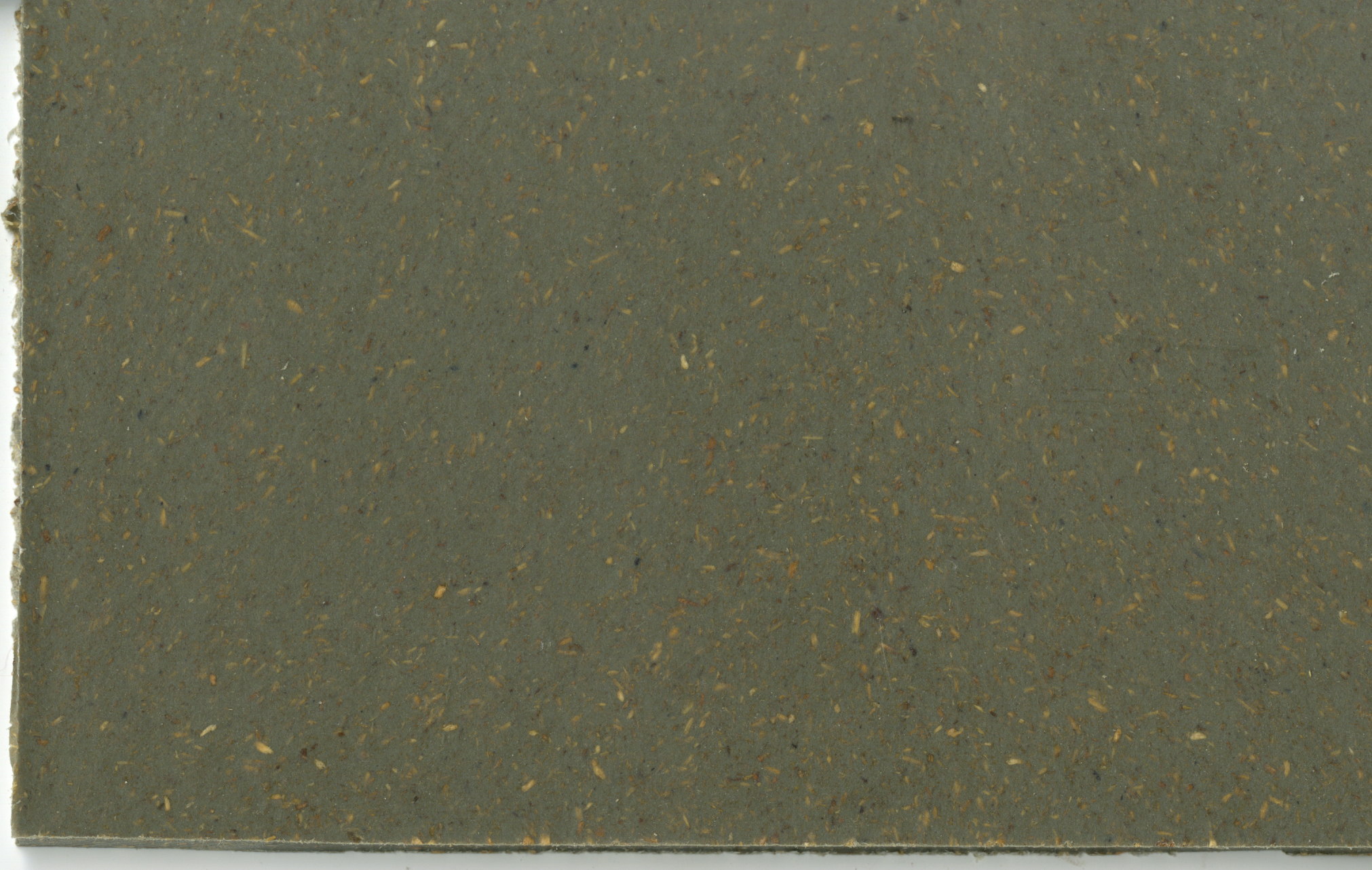
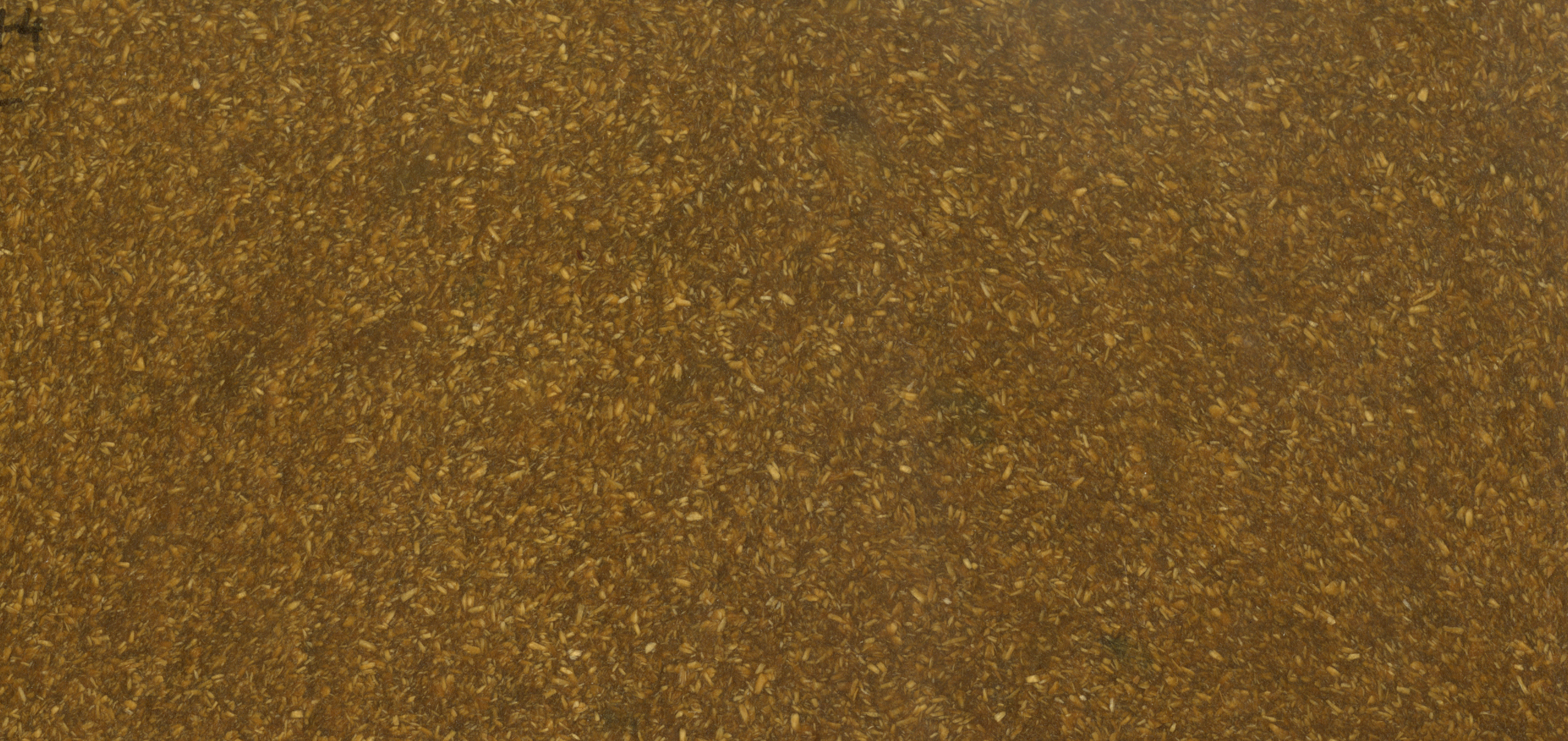
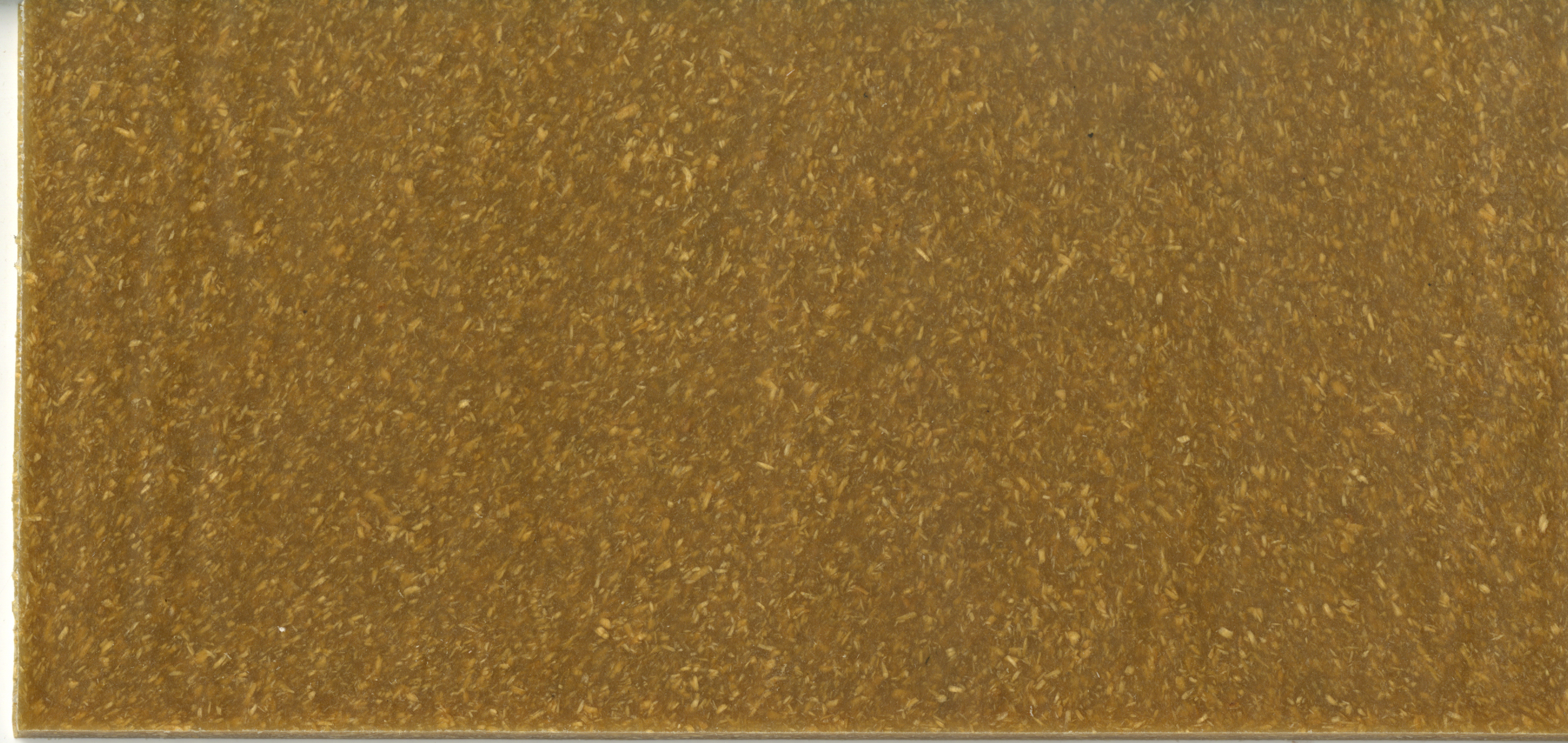
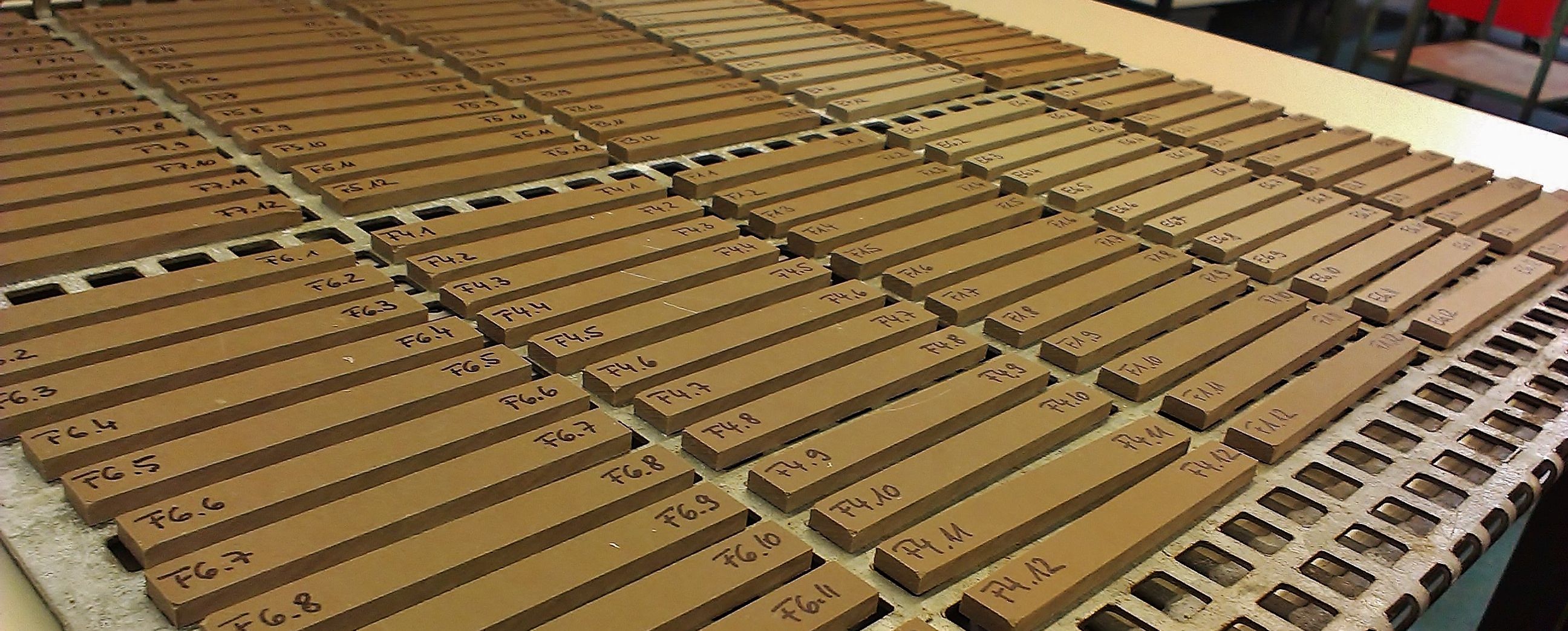
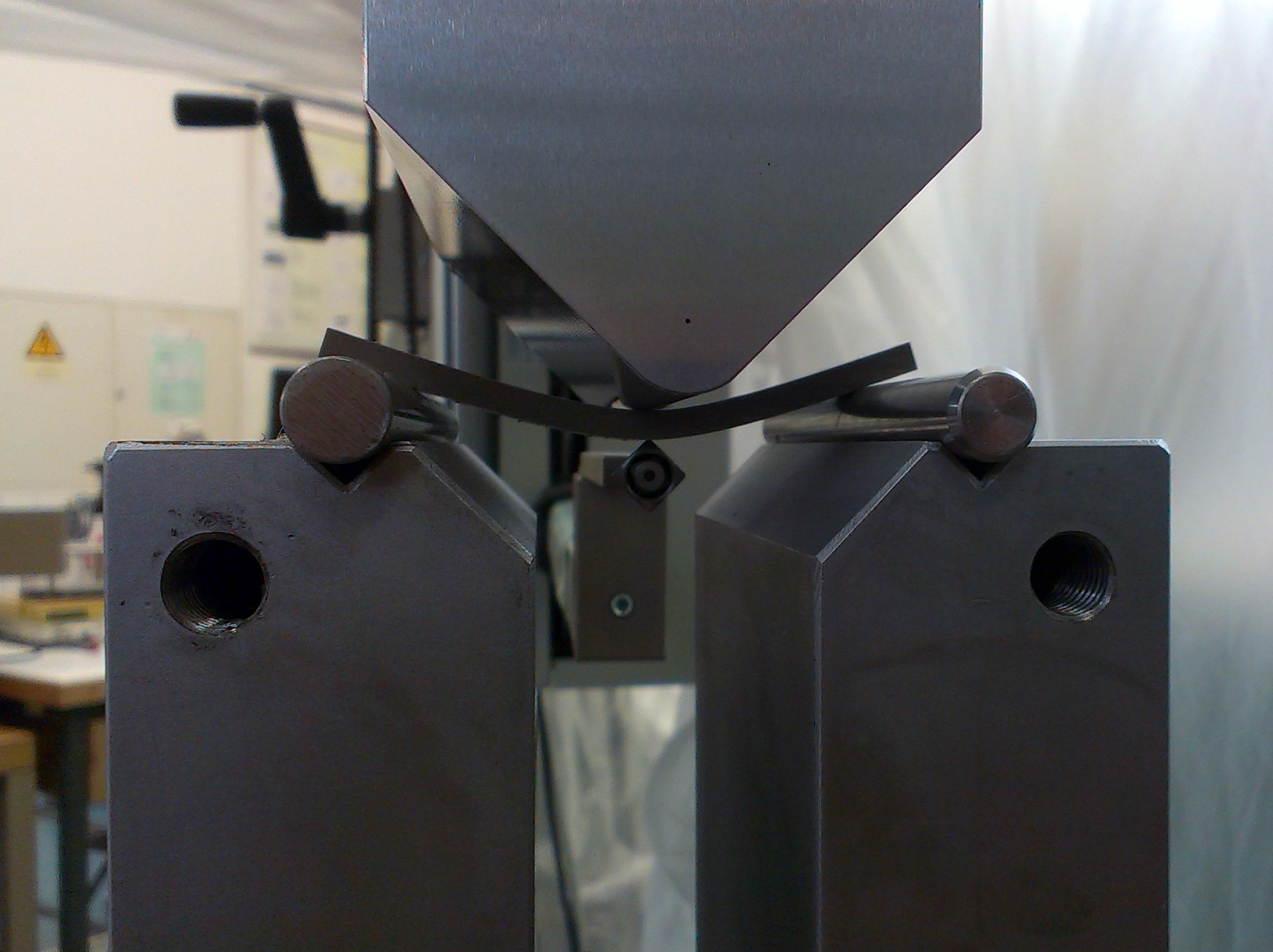
The following images provide a better visual understanding of the experimental research: 1) On the recycling site, post-consumer wood products have been shredded to 2) wood particle size of 0 – 200 mm. 3) In our technical centre, the wood particles have been further processed to smaller particles 0 – 1 mm. 4) Virgin spruce particles have also been grinded to the same particle size 0 – 1 mm. In 5) and 6) the recycled post-consumer plastic HDPE and virgin HDPE are shown. Then, wood and plastic particles are compounded with various contents in a laboratory mixer and pressed to flat panels 7) – 10). The test specimen 11) are then physically and mechanically tested. For example, in 12) the flexural test according to ISO 178 is imaged.
1) 2)

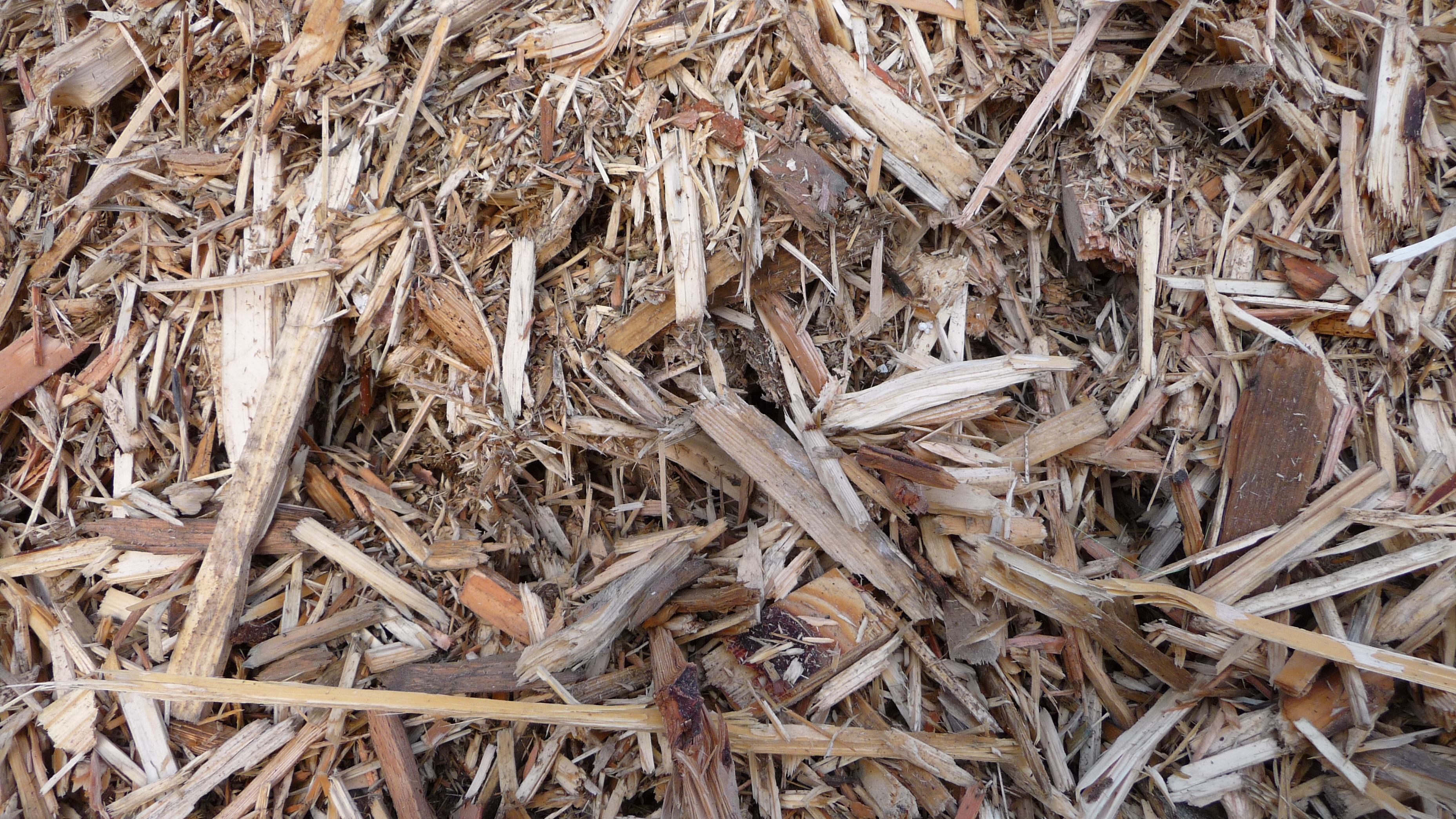
3) 4)

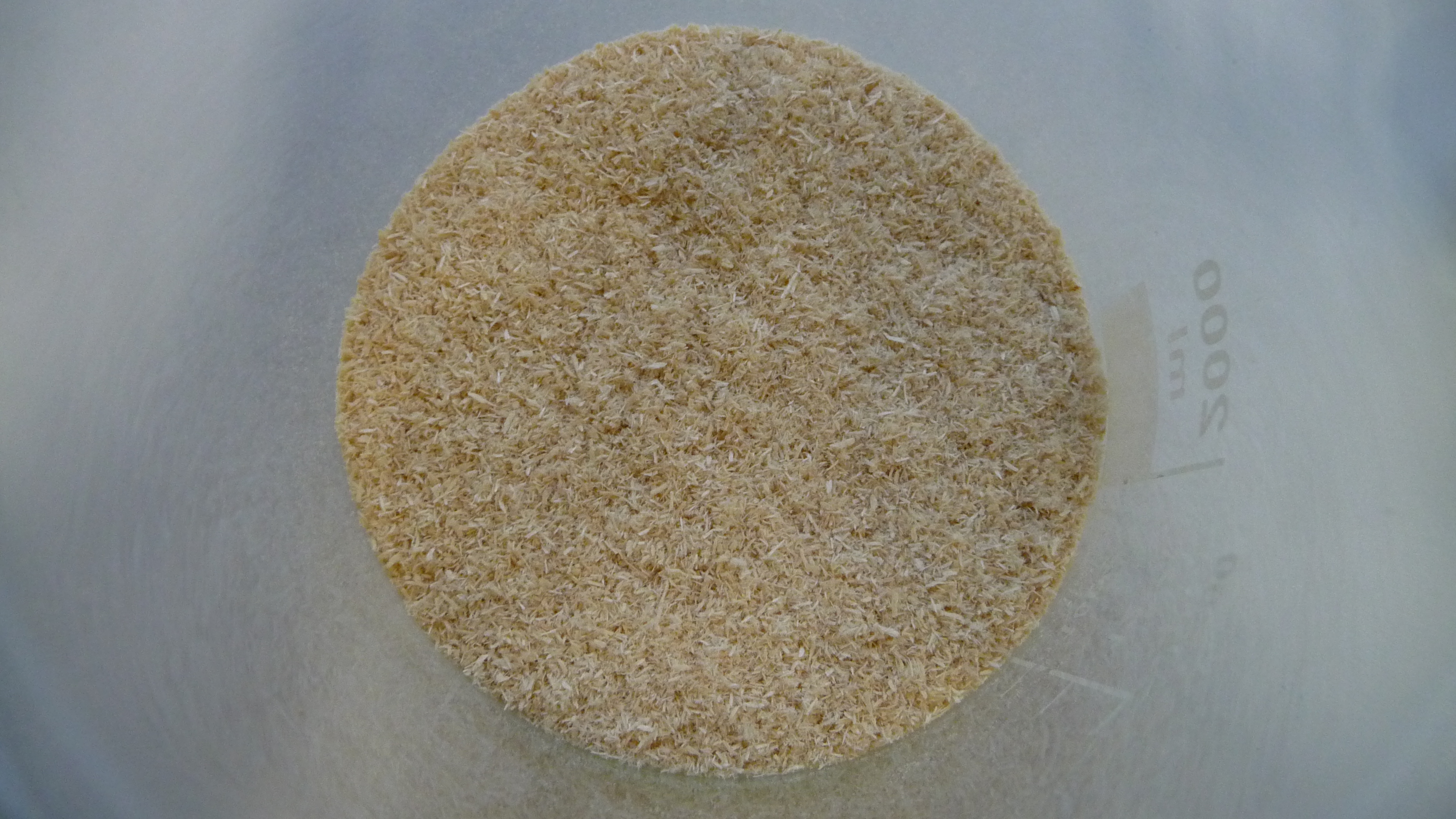
5) 6)
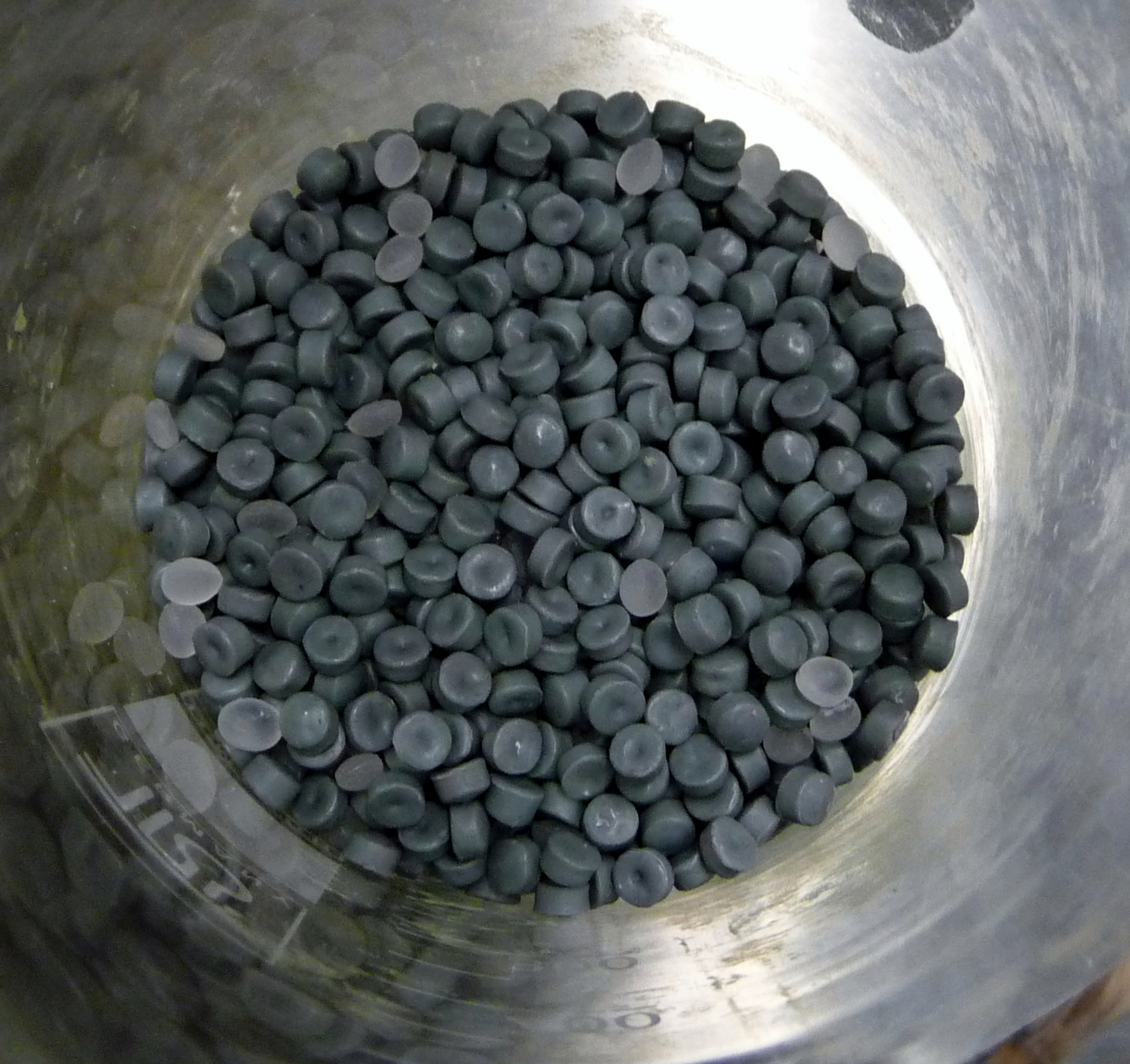
7) 8)

9) 10)
11) 12)
Now, I am testing the mechanical properties (Tensile test, flexural test, Charpy impact test), physical properties (density, water absorption) and socio-technical properties (colour characterization) of the specimen. The results will be presented in a peer-reviewed research article in the next couple of months. Additionally, I will give an oral presentation at the 58th International Convention of the Society of Wood Science & Technology in Wyoming, USA in June. The convention is dedicated to renewable material science and the Bio-economy, which fits the overall CASTLE topic very well. I am also happy to meet my EAB supervisor Richard Bergman at the convention, so I hope this opportunity will benefit my further research on LCA of WPC.
Alongside the experimental and theoretical research, I conduct LCA of WPC window profiles, which are made from the same recycled resources that are used for the experimental part in my project. So, these tasks will cover the next months in the CASTLE project.
In the near future, all results received from the different methods shall be rated by means of a Multi Criteria Analysis (MCA) to obtain thorough answers to the research questions. Moreover, there are lots of potentials for further research and publishing. Possible further research topics could be the investigation of the feasibility of using bio refinery products, post-consumer harvested timber products, bioplastics, other recycled thermoplastics or elastomers and thermosets for WPC. Time is short, so my aim is to focus on recycled polyethylene and post-consumer wood products and develop an environmental product design method that can be used for WPC but is also applicable for very different materials and products.
Why did this exact topic interest you?
Beside the great work and travelling possibilities the CASTLE project and its partners provide in the Marie Curie ITN environment, the CASTLE project fits perfectly to my education, my previous work experience, and my personal interests. I wanted to intensify my knowledge about material science. So having the opportunity to work with wood scientists at the Thünen Institute of Wood Research, to deepen my knowledge in LCA and to do a PhD at the same time was an irresistible offer.
Furthermore, we live in a society that is able and willing to invest in research and set the course to become a sustainable and resource efficient society, which will benefit the economic, environmental, and social pillars of the European Union’s economy. With my project, I hope to be able to contribute to open questions in the fields of:
-
Cascade use of resources and products
-
Sustainable economic growth
-
Decision making processes which include economic, technical, environmental and social aspects
So I was and I am still very much excited about my research topic. Furthermore, I am quite confident about a steadily growing interest for environmental indicators and the use of recycled resources for any consumer products in our society.
What would you like to do after the CASTLE project has finished?
Efficient use of resources, valorisation of waste resources, sustainable growth, and environmental design of products are topics that are on the one side contemporary for the European society and on the other side topics, I want to deal with further on. My research project has become both experimental and theoretical which is a perfect blend in my opinion and challenges me every day. As I have experienced different kinds of jobs up to now, I have learnt that I need challenges to find joy in my work for the long term perspective, even though challenges can be frustrating in the short term. So my wish for my future career is that it shall be a perfect blend of challenges, joy and the chance to make a contribution towards a more sustainable society.
What are your thoughts on the CASTLE project so far, and the training courses in particular?
First, I would like to say that the CASTLE project with its funding scheme for my PhD is a once in my lifetime opportunity, for which I am very grateful. The CASTLE project helped me a lot to focus on my interests and broadened my knowledge in an international and interdisciplinary scientific environment. Concerning the training courses in particular, it felt a little bit like the first years at school or university where different methods and skills are introduced. However, I noticed quickly that the lessons and meetings will help me to understand my project and see the linkages to the topics of the other ESRs, so that we all can benefit from one another’s research. The discussions during the workshops make the lessons very lively and open minded which is great.
Finally, I am looking forward to the CASTLE conference in Barcelona in October 2015, where we will meet researchers, policy makers, and industrial experts. The combination of the overall CASTLE topic, workshops, and interaction with people is what makes this Marie Curie ITN so unique.

